
Mechanical presses
The FAQ is regularly updated to reflect the latest information and to ensure that you have the most accurate details at your fingertips.
Thank you for choosing us, and we hope you find the answers you need!
- Is it safe to use?
Yes, the Electric Butter Machine is safe when used according to the manufacturer’s instructions. Always follow the safety guidelines and precautions outlined in the instruction manual.
- How does an electric churn work?
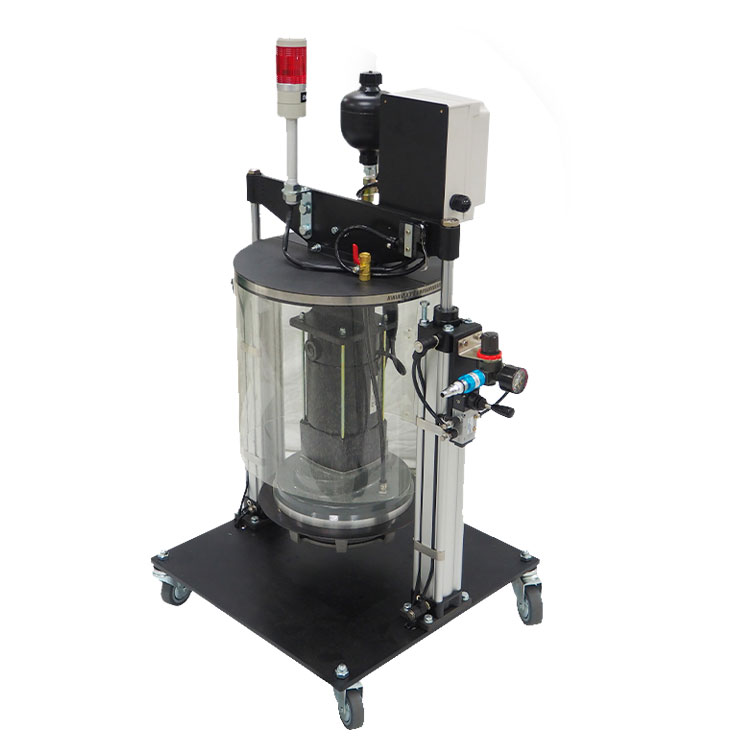
The Electric Butter Machine has a motorized churn that rotates and agitates the cream, causing the fat globules to coalesce and separate from the buttermilk, resulting in fresh butter.
- Which payment terms you can accept?
We can accept flexible payment methods including Bank Transfer, LC, DP, Western Union, Paypal or combined terms as negotiated.
- What is an electric butcher?
An electric butcher, also known as an electric butter churn or butter maker, is a modern device designed to automate the process of churning cream into butter. Churning is the traditional method of turning cream into butter by stirring the cream until the fat globules coalesce and separate from the buttermilk.
- What is a servo press machine?
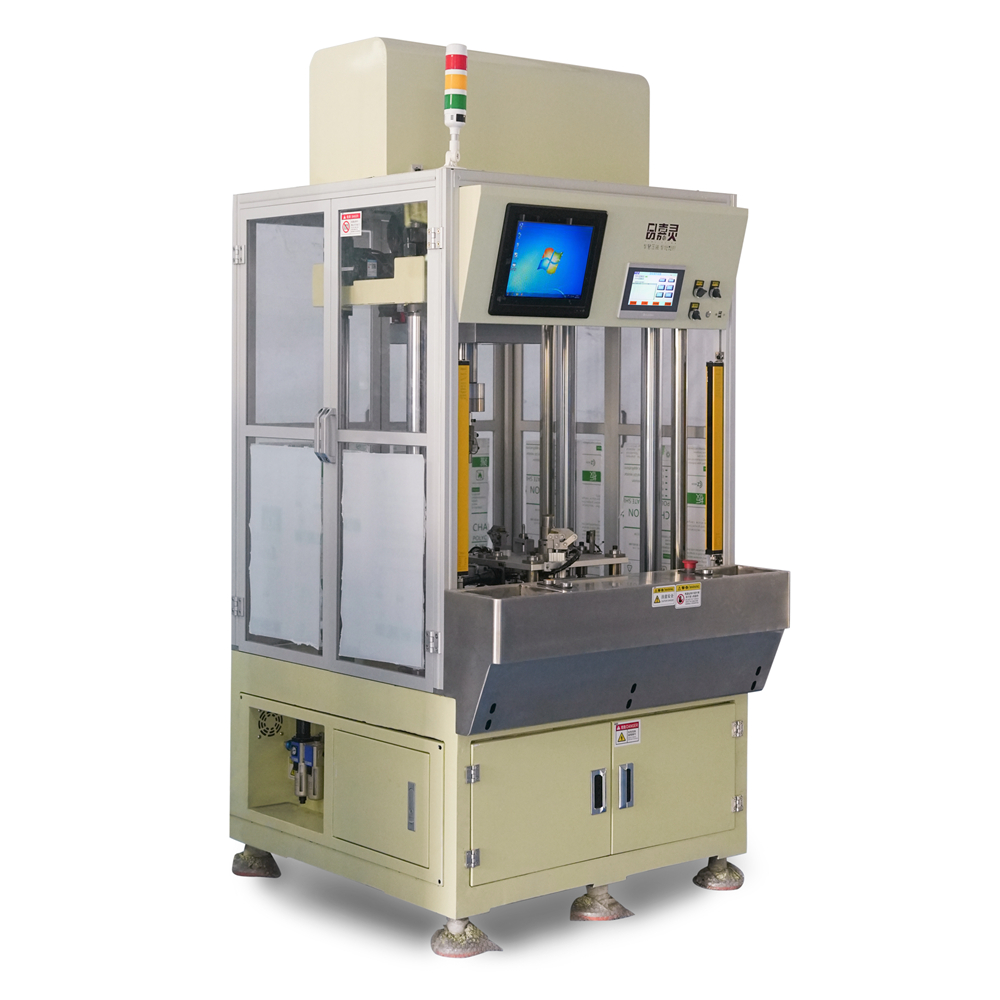
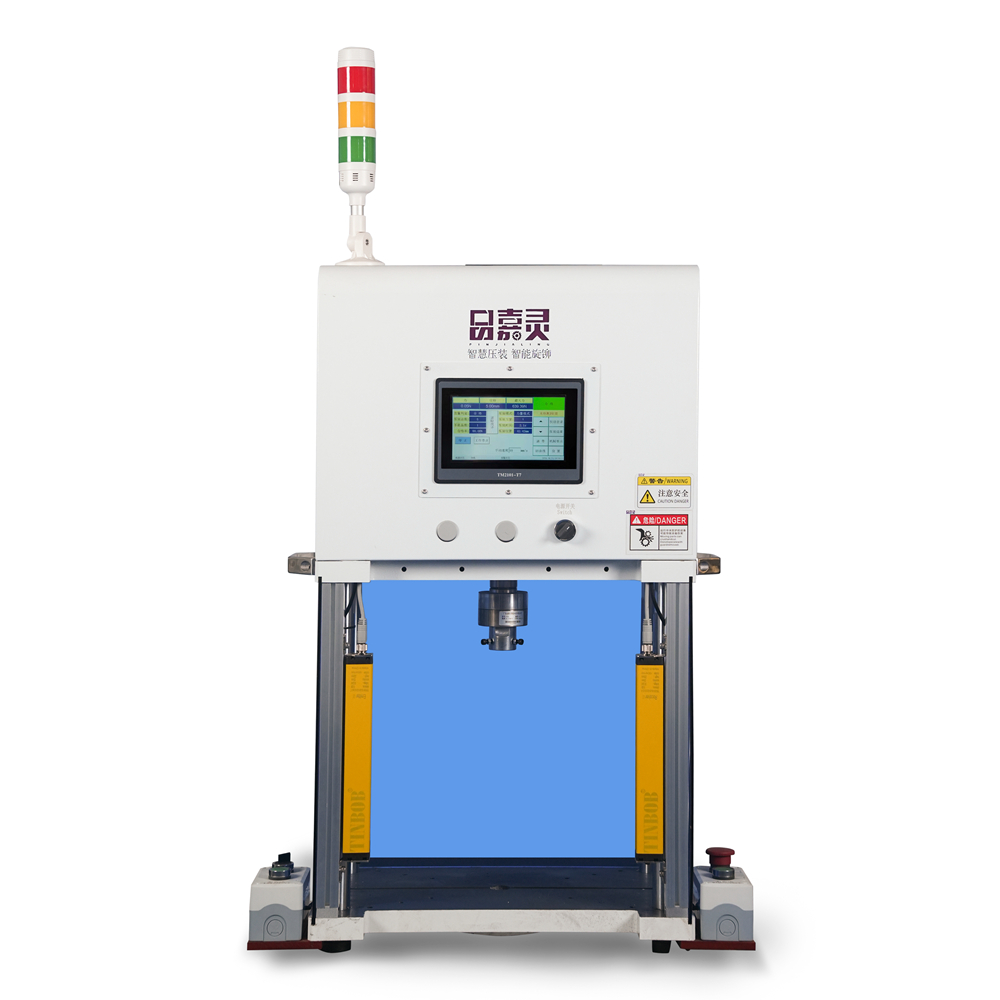
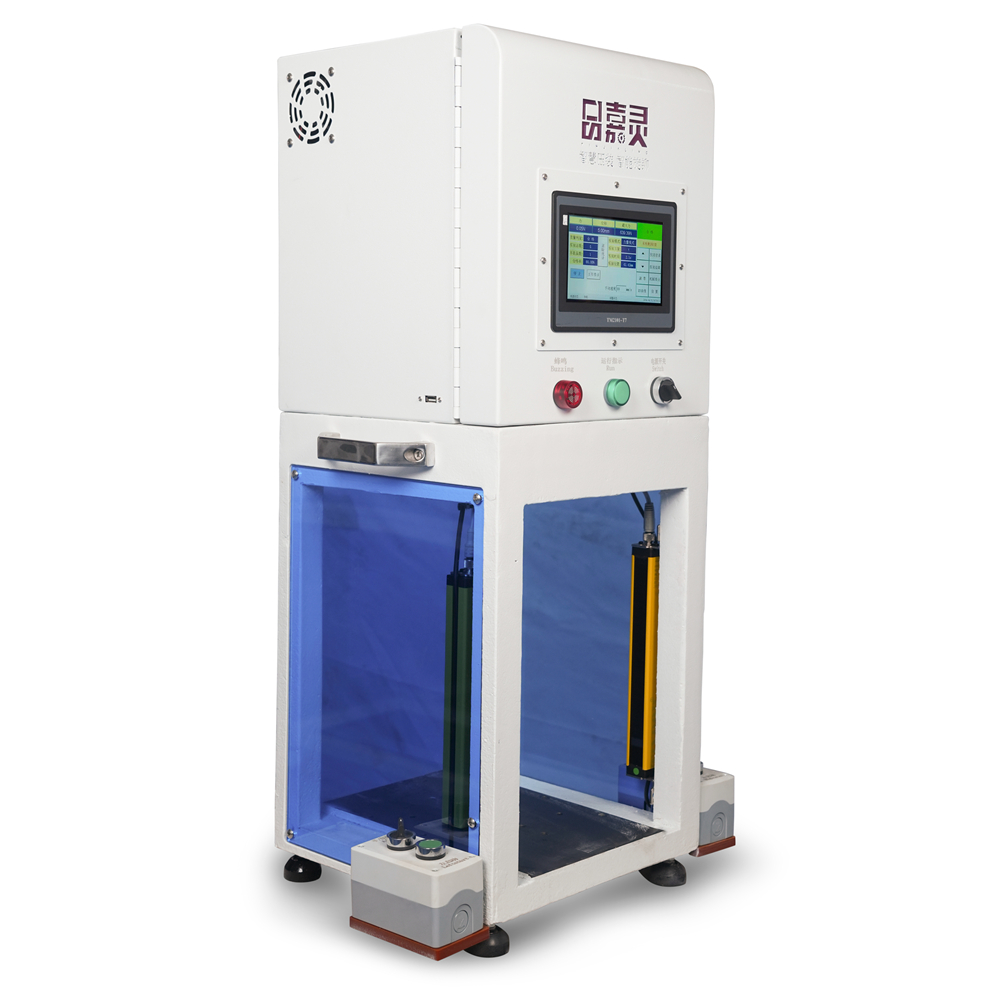
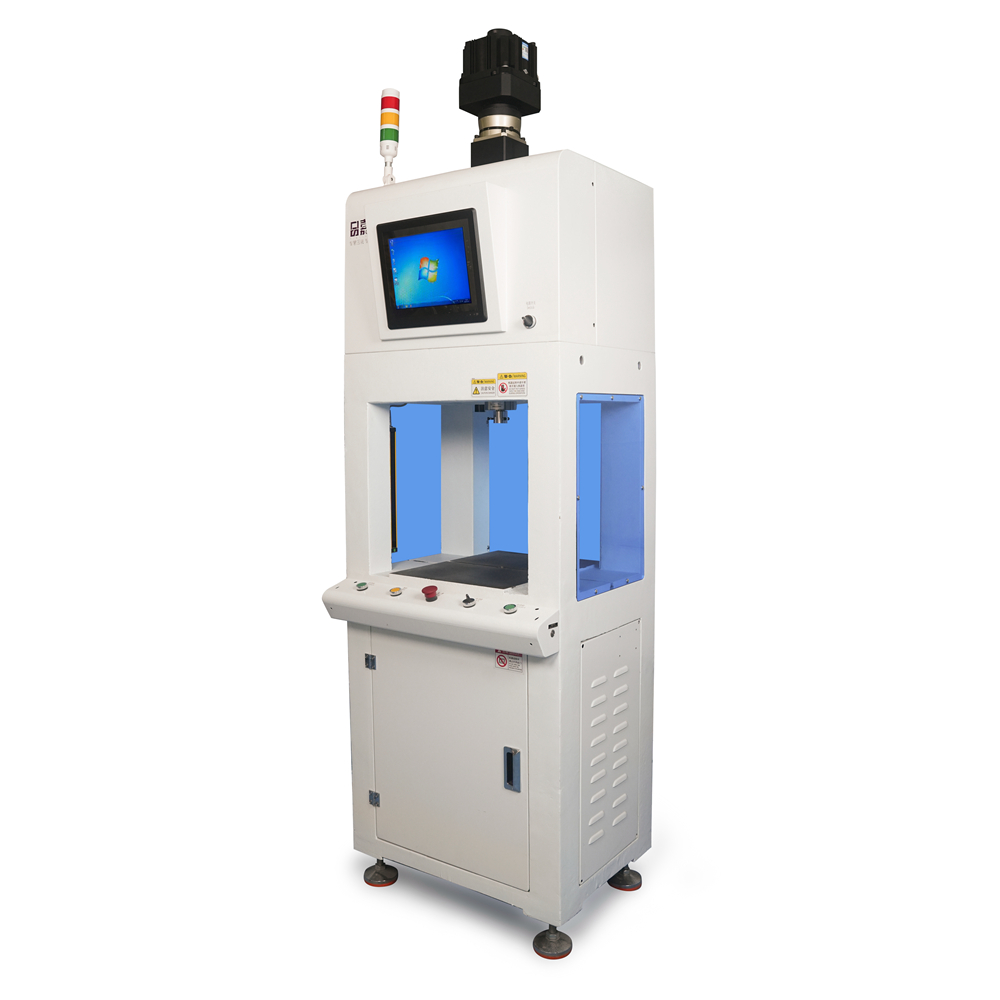
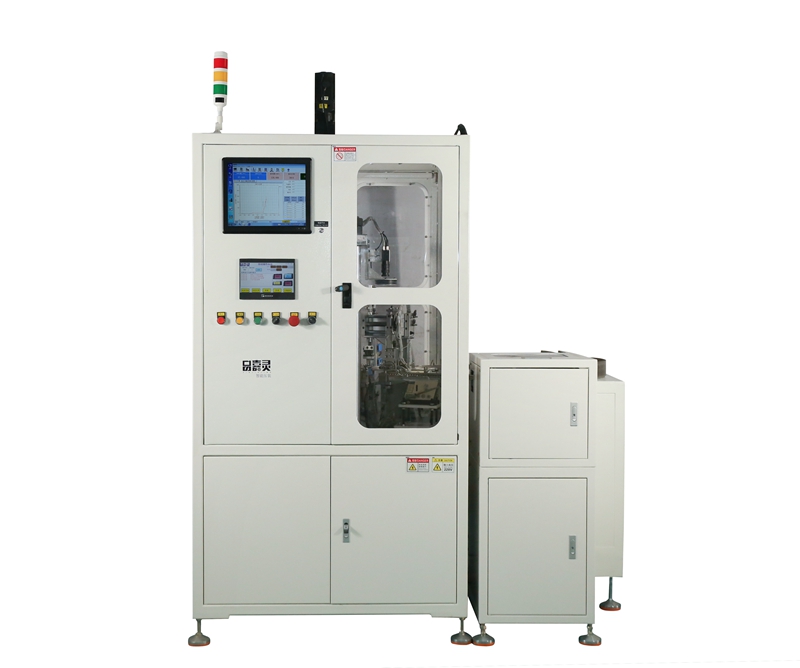
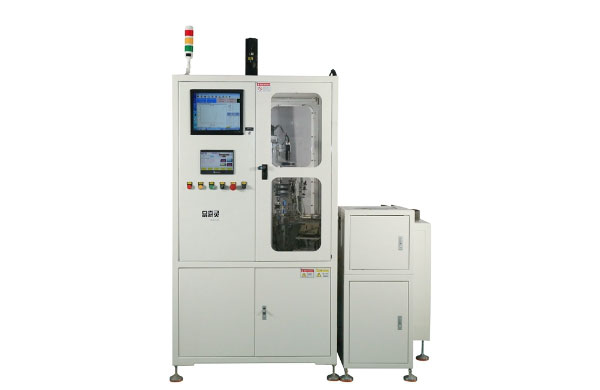
A servo press machine is a type of press machine that uses a servo motor to drive the ram. It provides precise control over the stroke and speed of the ram, allowing for accurate and repeatable forming processes.
- What is the accuracy of the servo press?
Positioning accuracy: (mm) : ±0.01
Pressure Accuracy (%F.S): 0.5
Displacement resolution (mm) : 0.001
- Is it easy to use?
Yes, it’s easy to use. Just pour cream into the machine, turn it on and let it do the churning for you.
- Who are we?
Our headquarters is located in Guangdong, China, and sells to Southeast Asia, Eastern Europe, Western Europe, North America, Northern Europe, Central America, South America, East Asia, South Asia, Oceania, Southern Europe, Africa, and the Middle East.
- Is the machine easy to clean?
Yes, most electric butter churners are designed with easy to clean parts. Simply disassemble, wash with warm soapy water, rinse and allow to dry.
- How is a servo press machine different from a mechanical press machine?
A servo press machine differs from a mechanical press machine in that it employs a servo motor that provides precise control over the ram’s position and speed, while a mechanical press machine uses a flywheel and clutch to control the ram.