
프레스의 서보 모터 기술

The FAQ is regularly updated to reflect the latest information and to ensure that you have the most accurate details at your fingertips.
Thank you for choosing us, and we hope you find the answers you need!
- Is the machine easy to clean?
Yes, most electric butter churners are designed with easy to clean parts. Simply disassemble, wash with warm soapy water, rinse and allow to dry.
- Which payment terms you can accept?
We can accept flexible payment methods including Bank Transfer, LC, DP, Western Union, Paypal or combined terms as negotiated.
- How many types of riveting machines do we have in our factory?
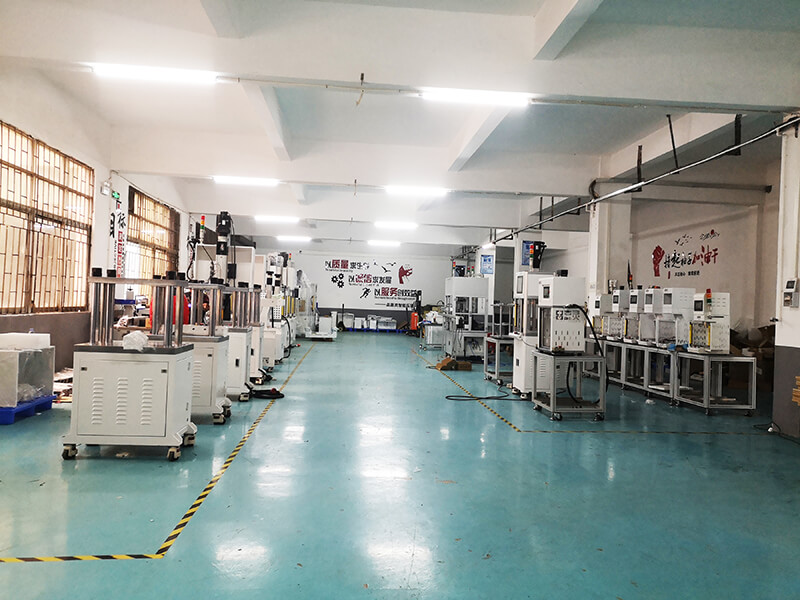
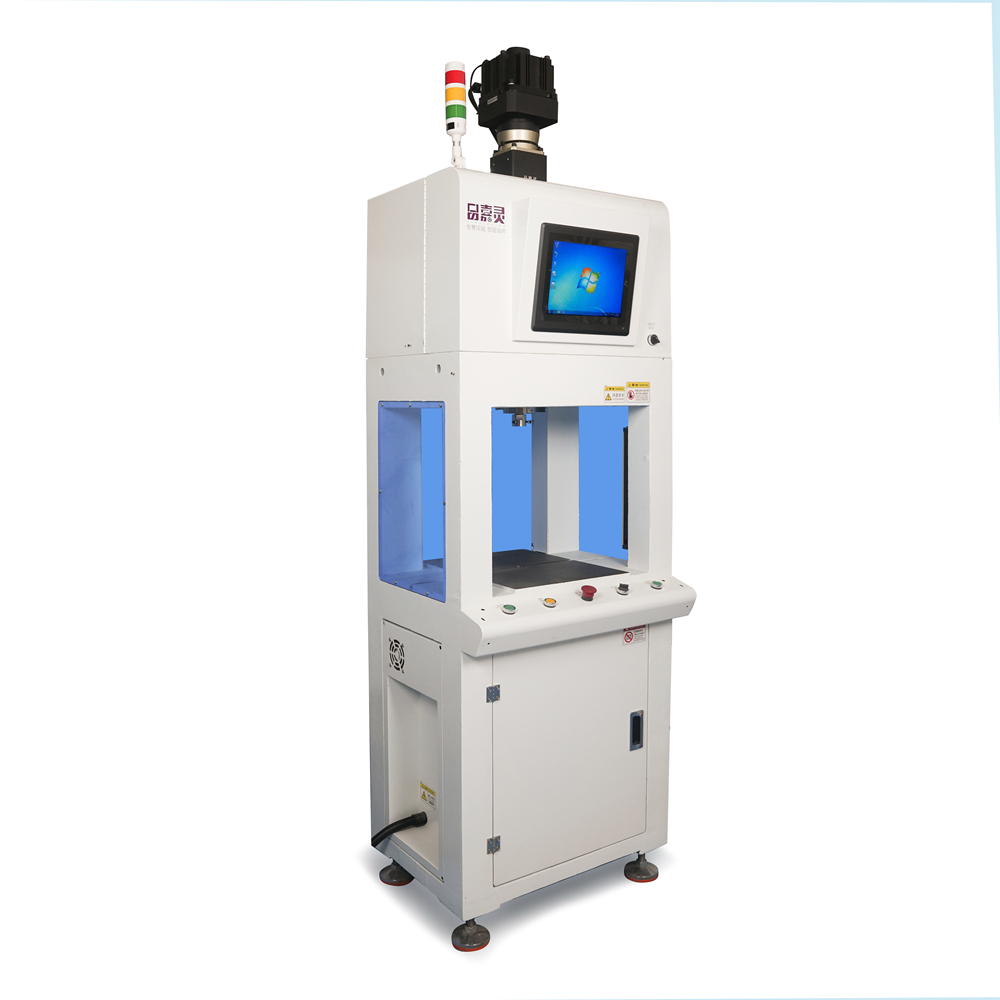
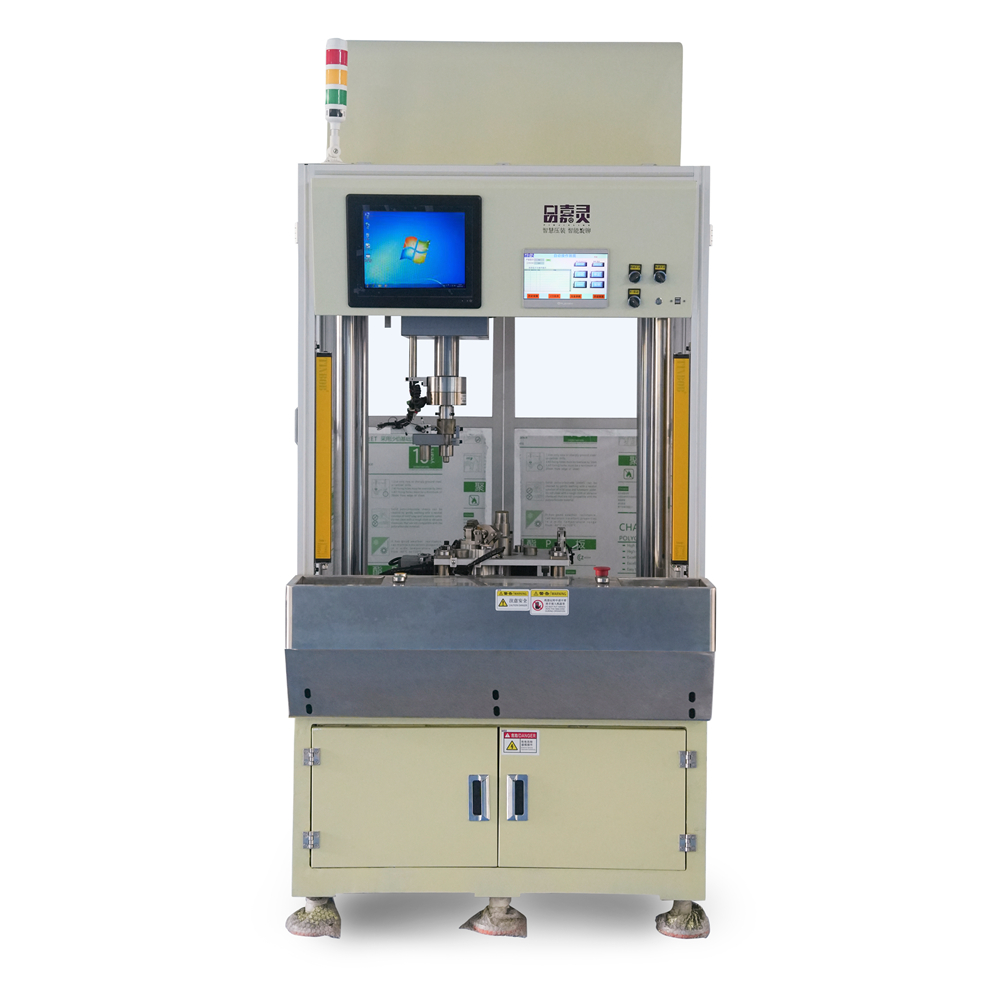
Our factory has S / C type precision intelligent servo press equipment, high precision diameter riveting, pendulum riveting, servo rotary riveting machine.
- Which shipping way can you provide?
We can provide shipping by sea, by air, by express and etc according to customer requirements.
- What is the maintenance required for a servo press machine?
A servo press machine requires regular maintenance, including lubrication, checking for wear of components, and calibration of the servo motor. Regular maintenance ensures optimal performance and longevity of the machine.
- How to place order?
When you are ready to order, please contact us for confirm the suitable solution & plan & model. What cannot be ignored is you should provide a copy purchase order to ensure that your order is processed properly.
- What is a servo press machine?
A servo press machine is a type of press machine that uses a servo motor to drive the ram. It provides precise control over the stroke and speed of the ram, allowing for accurate and repeatable forming processes.
- What safety precautions should I follow when operating a servo press machine?
When operating a servo press machine, it is important to follow all safety protocols, including wearing appropriate personal protective equipment, using safety guards and devices, and obtaining proper training on the machine’s operation. Additionally, only trained and authorized personnel should operate the machine.
- What are the advantages of servo presses in forging?
In addition to making it possible to form materials traditionally considered difficult to machine, our servo presses offer a number of other benefits, including higher forming accuracy, increased productivity, reduced noise, and improved energy savings.
- Why should I buy from your company not from other suppliers?
As a technology company, Pinjialing’s products have its own core technologies and patents. And has certain influence and popularity in the peer field. We have our own software engineering development department, expert engineering design department, precise production process, strict QC management and high-quality after-sales service.