
Find here Servo Press
The FAQ is regularly updated to reflect the latest information and to ensure that you have the most accurate details at your fingertips.
Thank you for choosing us, and we hope you find the answers you need!
- What is Motorcycle engine cradle servo press?
Manual auxiliary loading and unloading of the cradle, automatic loading of the bushing, automatic installation of the pivot tube rubber sleeve, and automatic pressure installation of the bushing.
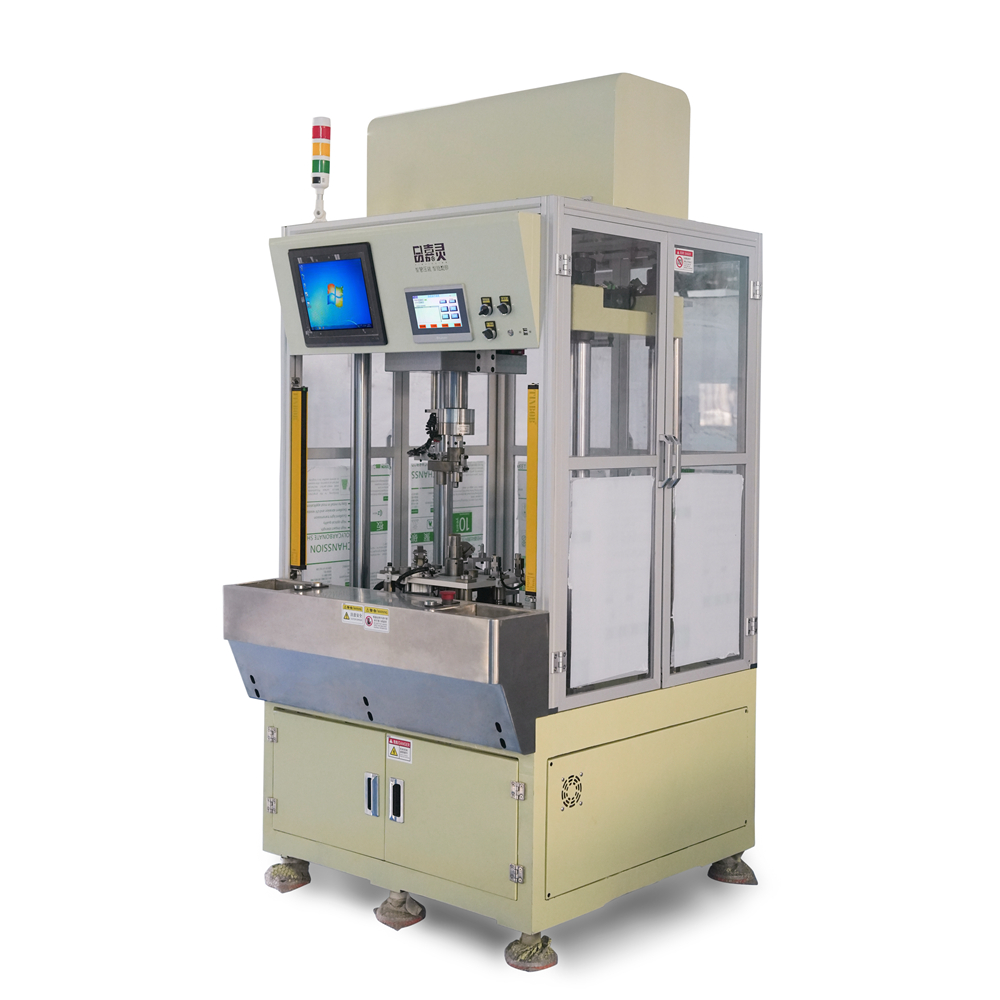
The equipment mainly consists of: casting frame, automatic loading and unloading system, multi-station turntable, servo pressing system, human-computer interaction system, safety protection system and other parts.
- What is a servo linear actuator mechanism?
The servo motor is directly connected with the transmission screw of the electric cylinder, so that the encoder of the servo motor directly feeds back the displacement of the moving piston of the electric cylinder, which reduces the inertia and clearance of the intermediate link, and improves the control and control accuracy.
- What safety precautions should I follow when operating a servo press machine?
When operating a servo press machine, it is important to follow all safety protocols, including wearing appropriate personal protective equipment, using safety guards and devices, and obtaining proper training on the machine’s operation. Additionally, only trained and authorized personnel should operate the machine.
- Which shipping way can you provide?
We can provide shipping by sea, by air, by express and etc according to customer requirements.
- What are the advantages of using a servo press machine?
The advantages of using a servo press machine include reduced production costs, increased productivity, improved product quality, and better energy efficiency.
- What is Servo Riveting Machine?
Our servo riveting machine is a kind of automated equipment used for the process of riveting. Riveting is a permanent fastening method that joins two or more materials together using a rivet, which is a metal pin with a head at one end. The rivet is inserted into pre-drilled holes in the materials to be joined, and then the other end is deformed or “headed” to secure the materials in place.
- What types of materials can be formed using a servo press machine?
A servo press machine can be used to form a variety of materials, including steel, aluminium, copper, and other alloys.
- What is a servo press machine?
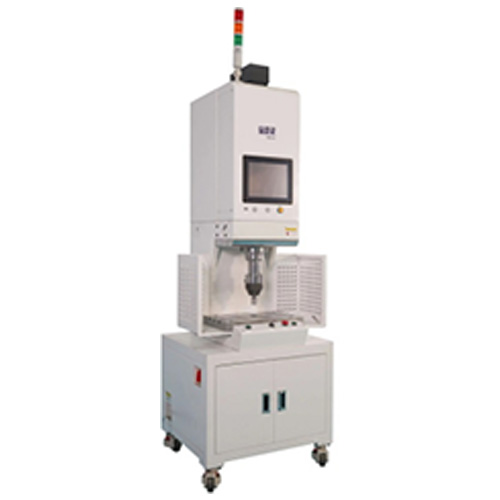
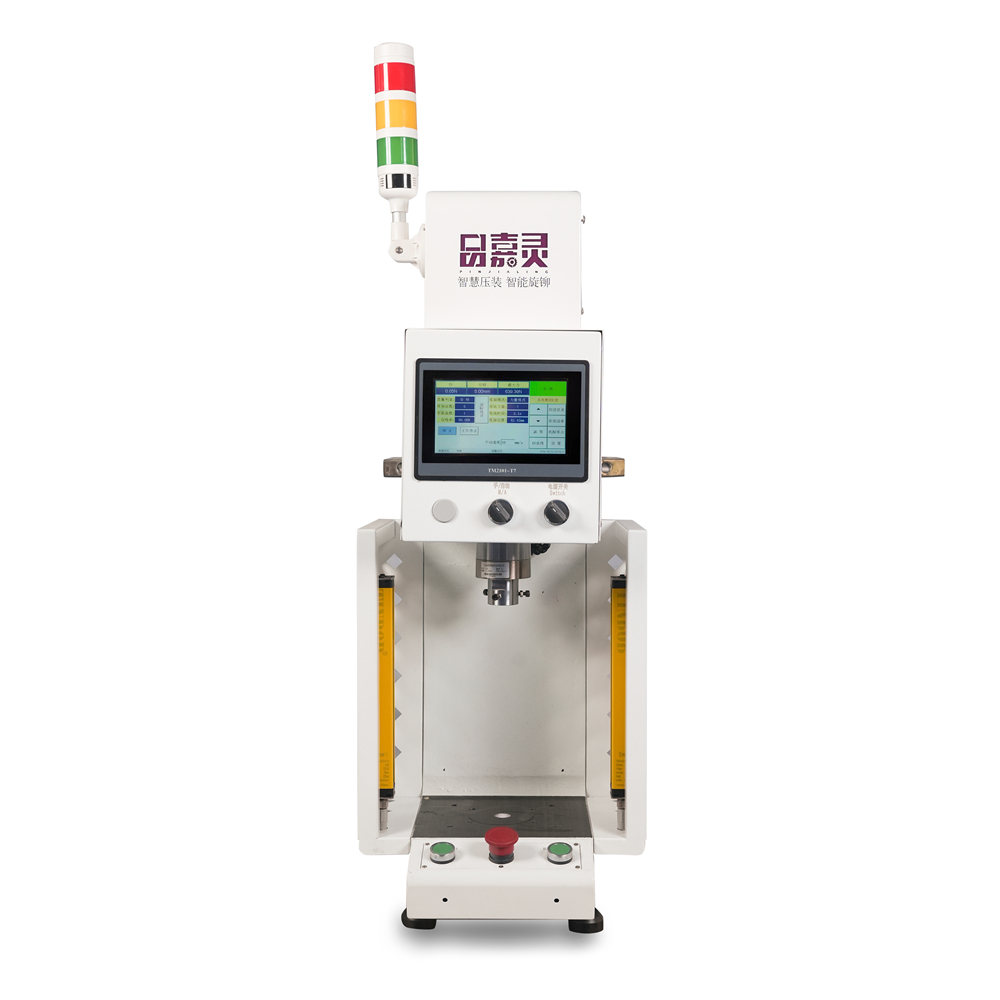
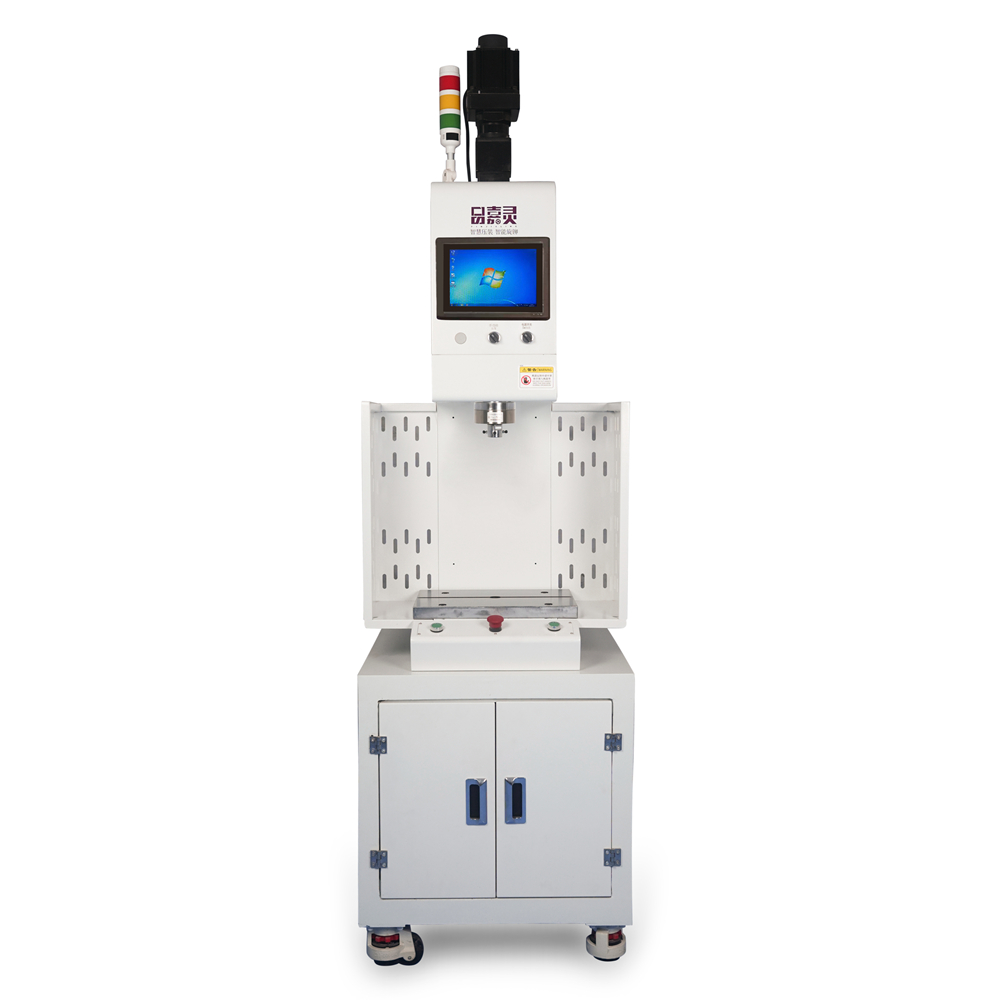
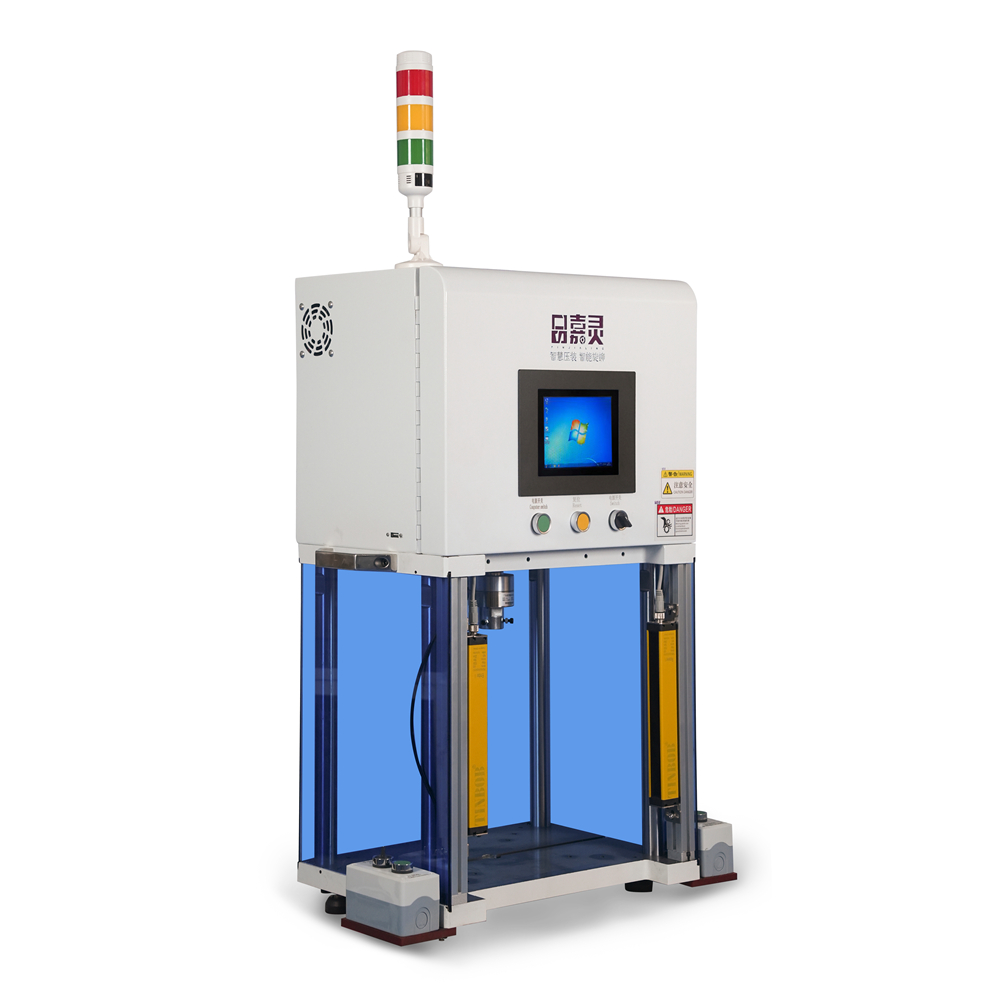
A servo press machine is a type of press machine that uses a servo motor to drive the ram. It provides precise control over the stroke and speed of the ram, allowing for accurate and repeatable forming processes.
- What is an electric butcher?
An electric butcher, also known as an electric butter churn or butter maker, is a modern device designed to automate the process of churning cream into butter. Churning is the traditional method of turning cream into butter by stirring the cream until the fat globules coalesce and separate from the buttermilk.
- How is a servo press machine different from a mechanical press machine?
A servo press machine differs from a mechanical press machine in that it employs a servo motor that provides precise control over the ram’s position and speed, while a mechanical press machine uses a flywheel and clutch to control the ram.